Importance
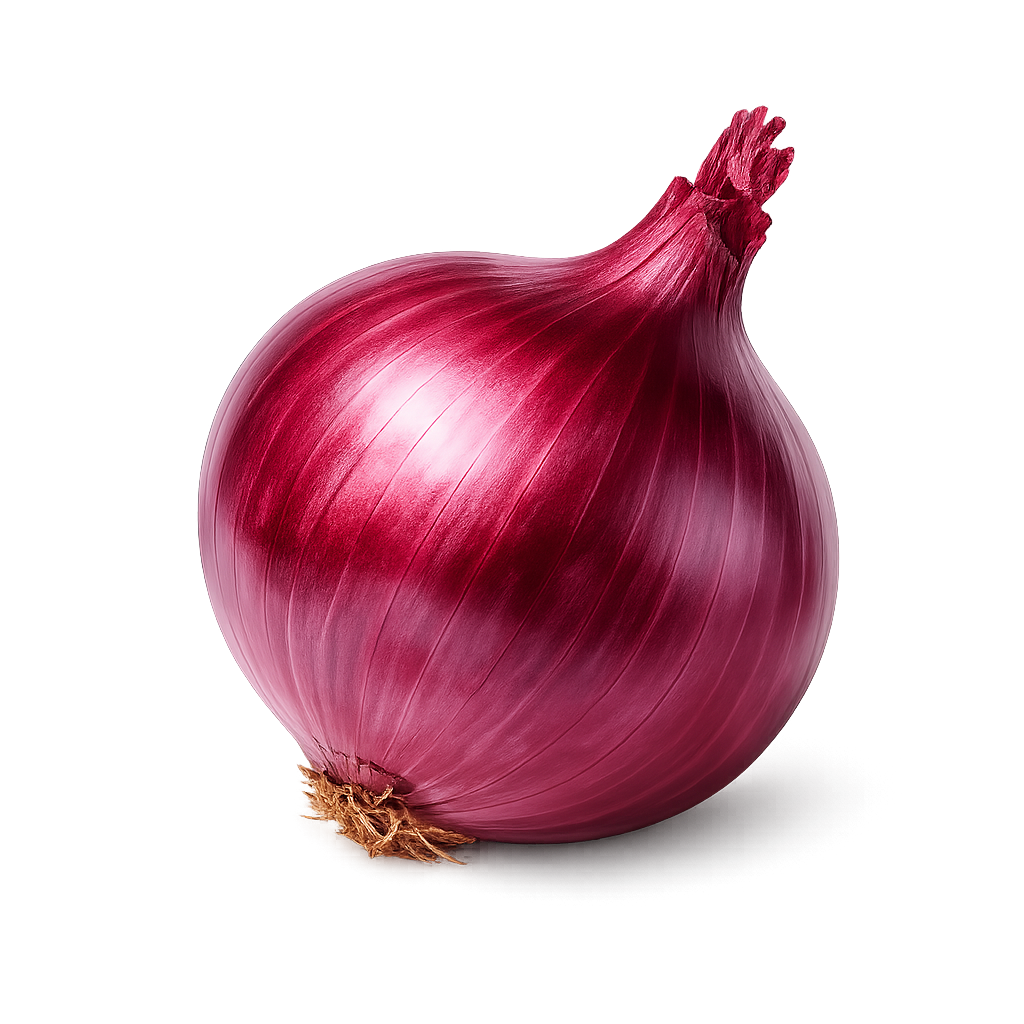
Red onion is a low-calorie allium vegetable with a strong nutritional identity built around quercetin, anthocyanins, sulfur compounds, vitamin C, potassium, chromium-related trace mineral support, fiber, and prebiotic fructans. Its red-purple outer layers contain higher concentrations of anthocyanins than white or yellow onions, while the bulb also provides flavonols such as quercetin and quercetin glucosides. These compounds give red onion a meaningful role in meals designed for antioxidant protection, vascular support, digestive balance, glucose stability, and cellular resilience.
Red onion supports cancer-focused nutrition through several connected pathways. Quercetin and anthocyanins help reduce oxidative stress that can damage DNA, proteins, and cell membranes. Organosulfur compounds from onion metabolism support redox balance, glutathione-related activity, inflammatory signaling balance, and phase II detoxification enzyme pathways. Vitamin C supports collagen formation, epithelial tissue strength, immune cell function, and antioxidant recycling. Fiber and fructans support gut microbial fermentation, short-chain fatty acid production, bowel regularity, and intestinal barrier function. These combined actions connect red onion to antioxidant response, inflammatory balance, detoxification signaling, epithelial maintenance, and microbiome-related immune regulation.
For ailments, red onion is especially useful where oxidative stress, vascular strain, sluggish digestion, low phytochemical intake, or unstable post-meal glucose patterns are part of the pattern. Its naturally low glycemic index and low glycemic load make it a gentle carbohydrate food in normal serving sizes. The flavonoids in red onion are relevant to carbohydrate digestion because quercetin and related onion polyphenols have been studied for effects on alpha-glucosidase and alpha-amylase activity, two enzymes involved in breaking down carbohydrates into absorbable sugars. These same flavonoid pathways also connect red onion to insulin-related glucose handling, glucose uptake, and metabolic signaling.
The strongest pathways for red onion include flavonoid antioxidant activity, anthocyanin signaling, sulfur-compound metabolism, glutathione-related redox support, carbohydrate digestion, insulin signaling, gut fermentation, nitric-oxide-related vascular function, and inflammatory pathway balance. Red onion also adds strong culinary value because small amounts can increase the phytochemical density of salads, bowls, soups, wraps, and vegetable mixtures without adding much energy. Its best nutritional role comes from the combination of quercetin-rich allium chemistry, red-purple anthocyanins, prebiotic fiber, sulfur compounds, vitamin C, and potassium, making it a useful vegetable for cellular protection, vascular support, digestive function, and long-term metabolic balance.