Importance
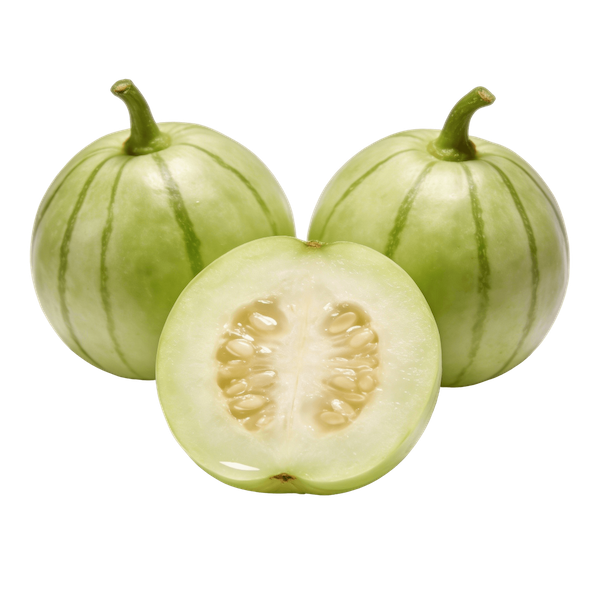
Tinda, also known as Indian round gourd or apple gourd, is a light green cucurbit vegetable valued for its high water content, low calorie density, mild flavor, fiber, potassium, vitamin C, and gourd-family phytochemicals. Per 100 g, tinda is best understood as a hydrating vegetable rather than a dense starch or protein food. Its soft flesh and tender seeds make it useful in meals focused on digestive comfort, mineral balance, gentle carbohydrate intake, antioxidant support, and overall cellular resilience.
Tinda supports cancer-focused nutrition through hydration, fiber fermentation, vitamin C activity, potassium balance, and antioxidant plant compounds. Vitamin C supports collagen formation, epithelial tissue strength, immune cell function, and antioxidant recycling. Fiber supports bowel movement quality, gut microbial fermentation, short-chain fatty acid production, and intestinal barrier function. Potassium supports fluid balance and vascular tone, while cucurbit-family phenolics and flavonoids help reduce oxidative pressure that can affect DNA, proteins, and cell membranes. These features connect tinda to antioxidant response, digestive regulation, vascular support, epithelial maintenance, and microbiome-related immune signaling.
For ailments, tinda is most relevant where meals need low energy density, hydration, gentle fiber, and mild vegetables that do not add excess sugar, fat, or heaviness. It fits well with patterns involving sluggish digestion, low vegetable intake, vascular strain, oxidative stress, and post-meal glucose concerns. Its available carbohydrate is naturally modest, giving it a low glycemic load in normal servings. Cucurbit vegetables and tinda-related research report phenolic compounds, flavonoids, tannins, saponins, alkaloids, and antioxidant activity, and cucurbit extracts are studied for alpha-amylase and alpha-glucosidase inhibition. These enzymes break starch and carbohydrate into absorbable sugars, so they connect tinda to carbohydrate-digestion pathways and insulin-related glucose handling.
The strongest pathways for tinda include antioxidant response, carbohydrate digestion, insulin-related metabolic response, gut microbial fermentation, potassium-related vascular support, vitamin C-dependent collagen support, and fiber-supported intestinal barrier function. Tinda’s best nutritional role comes from its ability to add volume, hydration, fiber, potassium, vitamin C, and mild cucurbit phytochemistry to meals while keeping calorie load low. This makes it useful for digestive balance, cellular protection, vascular support, gentle metabolic support, and long-term resilience.