Importance
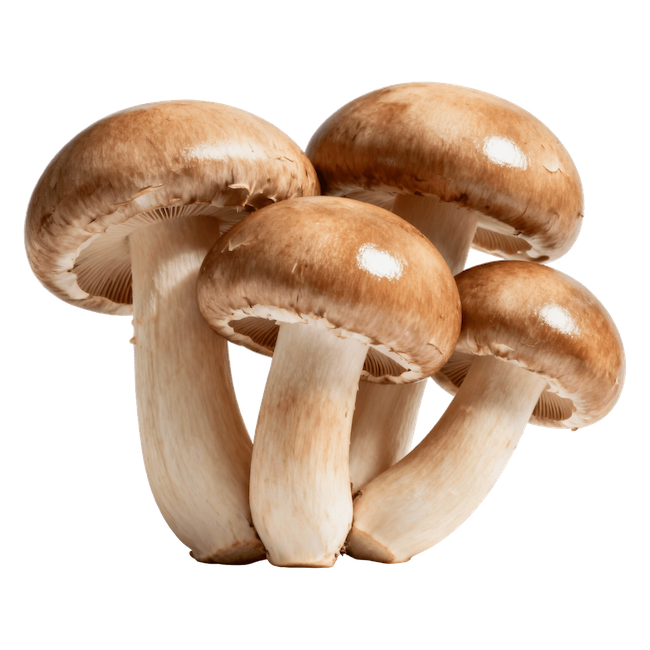
Cremini mushroom is the brown immature form of Agaricus bisporus, the same species as white button and portobello mushrooms, valued for its earthy flavor, firm texture, low calorie density, protein, fiber, potassium, phosphorus, copper, selenium, riboflavin, niacin, pantothenic acid, and mushroom-specific compounds. Per 100 g, raw cremini mushrooms provide about 22 calories, 3.3 g carbohydrate, 1.0 g fiber, 2.5 g protein, and very little fat. Their nutrition differs from green vegetables because mushrooms are fungi, with cell walls rich in chitin and beta-glucan-type fibers rather than plant cellulose alone.
Cremini mushrooms support everyday nourishment through B vitamins, minerals, amino acids, fiber, and antioxidant-active fungal compounds. Riboflavin, niacin, and pantothenic acid support energy metabolism through coenzyme systems. Copper supports iron handling, connective tissue enzyme systems, and redox balance. Selenium supports selenoprotein activity and antioxidant enzyme systems. Potassium supports fluid balance, nerve signaling, and muscle contraction. Fiber and chitin-containing cell-wall materials support digestive bulk and microbial fermentation.
For cancer and ailment-support nutrition, cremini mushrooms are relevant because Agaricus bisporus contains ergothioneine, glutathione, beta-glucan-type polysaccharides, chitin, phenolic compounds, lectin-related proteins, selenium, copper, riboflavin, niacin, and sterol compounds including ergosterol. These compounds connect to Nrf2-related antioxidant response, glutathione-related redox balance, NF-kB inflammatory signaling balance, AMPK-linked metabolic regulation, insulin-related carbohydrate handling, immune signaling, phase II detoxification enzyme signaling, apoptosis-related cell signaling, and gut fermentation pathways supported by fungal fiber. Cremini mushroom does not act as a standalone disease solution, but the whole mushroom contributes antioxidant fungal metabolites, digestive fiber, minerals, B vitamins, amino acids, and polysaccharides tied to cellular repair, inflammatory signaling balance, immune communication, vascular support, digestive function, and normal metabolic regulation.
Cremini mushrooms pair well with onions, garlic, tomatoes, lentils, beans, chickpeas, cabbage, kale, spinach, potatoes, brown rice, barley, quinoa, parsley, thyme, rosemary, black pepper, walnuts, almonds, and pumpkin seeds. Their strongest nutritional identity is the combination of earthy umami flavor, low calorie density, B vitamins, selenium, copper, ergothioneine, glutathione, beta-glucan-type fiber, and Agaricus-family bioactive compounds connected to antioxidant, digestive, immune, vascular, metabolic, inflammatory, and cellular defense pathways.