Importance
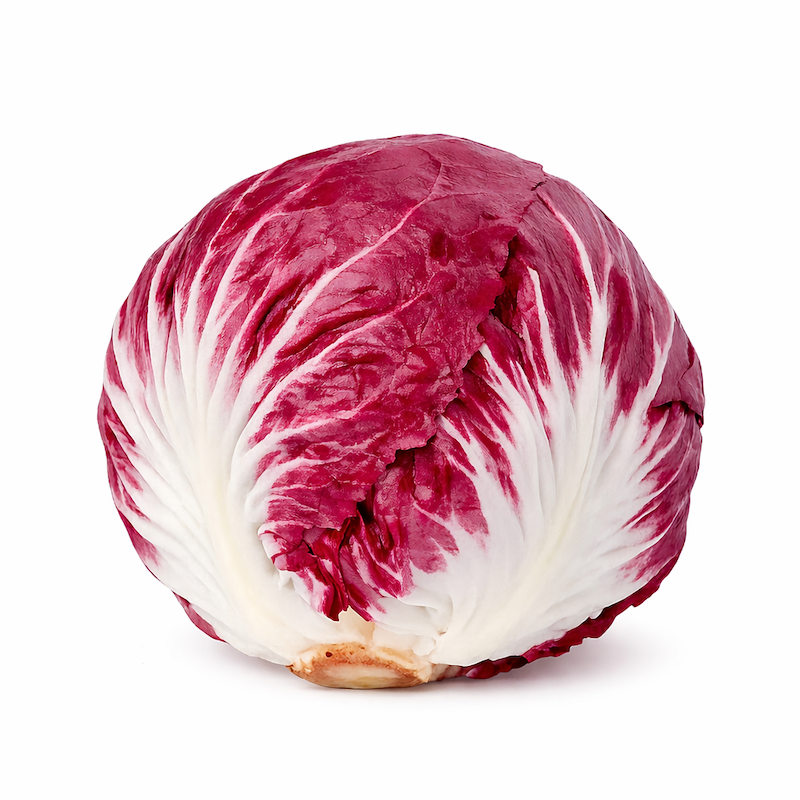
Radicchio is a red-purple leafy chicory vegetable with a strong nutritional identity built around vitamin K, folate, potassium, copper, fiber, lutein, zeaxanthin, anthocyanins, phenolic acids, and bitter sesquiterpene lactones. Its deep color reflects plant pigments that help protect cells from oxidative stress, while its bitter compounds support digestive signaling and give radicchio a distinct role among leafy vegetables. Per 100 g, radicchio is very low in calories, naturally low in sugar, high in water, and useful for adding color, crunch, and phytonutrient density to meals without adding excess energy.
Radicchio supports cancer-focused nutrition through several connected pathways. Its anthocyanins and phenolic compounds help reduce oxidative pressure that can damage lipids, proteins, and DNA. Lutein and zeaxanthin support membrane protection and eye-related antioxidant activity. Vitamin K contributes to normal blood-clotting biology and is also involved in proteins that help regulate calcium handling in tissues. Folate supports one-carbon metabolism, methylation reactions, and DNA synthesis, which are important for normal cell renewal. Copper supports redox enzymes and connective tissue metabolism, while potassium supports vascular tone and fluid balance.
For ailments, radicchio is most relevant where oxidative stress, low fiber intake, poor meal quality, vascular strain, digestive sluggishness, or unstable post-meal glucose patterns are part of the picture. Its naturally low available carbohydrate content makes its glycemic impact very small in normal serving sizes. The bitter chicory compounds can stimulate digestive awareness, while the fiber supports gut movement and microbial fermentation. The red-purple pigments connect radicchio to anthocyanin pathways that have been studied for insulin signaling, glucose transport, carbohydrate digestion, inflammation balance, and antioxidant response.
The most relevant pathways include antioxidant defense, anthocyanin signaling, carbohydrate digestion, insulin-related glucose handling, one-carbon metabolism from folate, vitamin K-dependent protein activation, nitric-oxide-related vascular support, bile and digestive signaling from bitter compounds, and gut microbial fermentation from fiber. Radicchio’s polyphenols also provide a reasonable basis for linking alpha-amylase and alpha-glucosidase because these enzymes are involved in starch and carbohydrate breakdown, and dietary polyphenols including anthocyanins are studied for their ability to reduce the activity of these enzymes. Its insulin link is based on the studied relationship between anthocyanin-rich foods and insulin resistance markers, glucose uptake, and metabolic signaling.
Radicchio is best used as a colorful leafy vegetable that strengthens the phytochemical diversity of meals. Its value comes from the combination of low calorie density, bitter chicory compounds, red-purple pigments, folate, vitamin K, copper, potassium, lutein, zeaxanthin, and fiber, making it useful for cellular protection, vascular support, digestive balance, and long-term metabolic resilience.