Importance
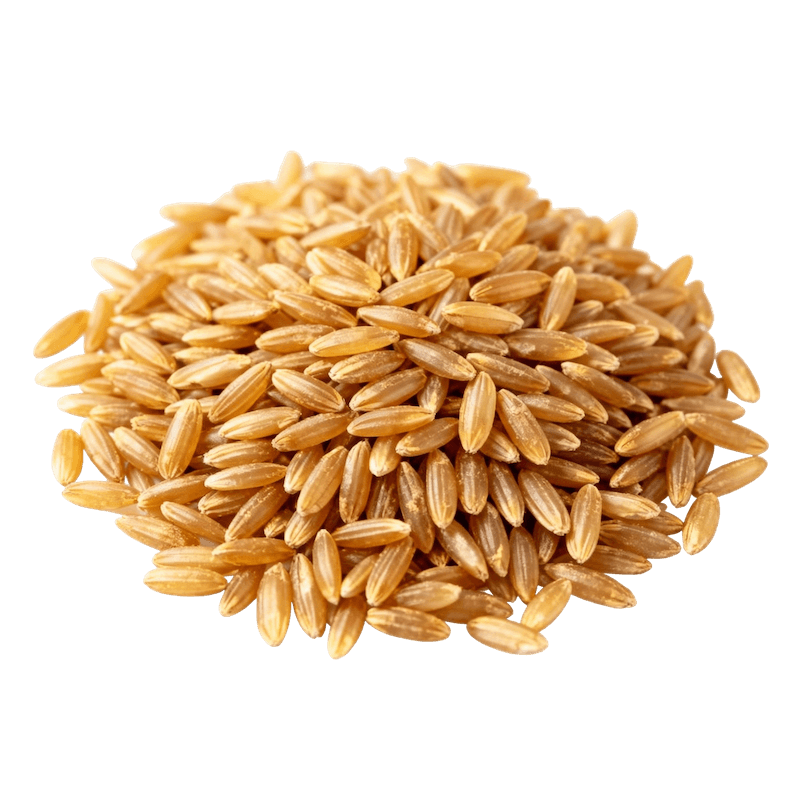
Cooked brown rice is a whole grain with a strong nutritional identity built around complex carbohydrates, fiber, manganese, magnesium, phosphorus, selenium, B vitamins, gamma-oryzanol, phenolic acids, tocopherols, tocotrienols, phytosterols, and the intact bran layer. Per 100 g cooked, it provides steady carbohydrate energy, modest protein, low fat, and more fiber and minerals than refined white rice. Its nutritional value comes from retaining the bran and germ, which preserve compounds involved in digestive balance, vascular support, metabolic regulation, cellular energy, and long-term resilience.
Brown rice supports cancer-focused nutrition through fiber fermentation, antioxidant defense, mineral-supported enzyme activity, and whole-grain phytochemical pathways. Fiber supports bowel movement quality, gut microbial fermentation, short-chain fatty acid production, and intestinal barrier function. Manganese supports antioxidant enzyme systems, while magnesium supports ATP metabolism, phosphorylation reactions, and enzymes involved in cellular energy and repair. Selenium supports redox biology through selenoprotein systems. Phenolic acids such as ferulic acid, p-coumaric acid, and caffeic acid help reduce oxidative pressure that can affect DNA, proteins, and cell membranes. Gamma-oryzanol, tocopherols, tocotrienols, and phytosterols contribute additional lipid, antioxidant, and membrane-related support.
For ailments, cooked brown rice is especially relevant where poor satiety, low fiber intake, weak mineral intake, sluggish digestion, vascular strain, or unstable meal energy are part of the pattern. Its carbohydrate level is meaningful, but the bran, fiber, minerals, and phenolic compounds produce a slower whole-grain metabolic profile than polished rice. Brown rice bran and whole-grain rice compounds have been studied for effects on alpha-amylase and alpha-glucosidase, two enzymes that help break starch into absorbable sugars. This makes insulin a valid linked hormone because starch digestion directly influences post-meal glucose and insulin response.
The strongest pathways for cooked brown rice include carbohydrate digestion, insulin-related glucose handling, fiber fermentation, short-chain fatty acid production, magnesium-supported ATP metabolism, manganese-supported antioxidant defense, selenium-supported redox activity, whole-grain phenolic antioxidant activity, and phytosterol lipid pathways. Cooked brown rice is best used as a steady whole-grain base that adds complex carbohydrates, fiber, minerals, B vitamins, gamma-oryzanol, phenolic acids, tocopherols, and bran compounds to meals. Its value comes from combining lasting energy with whole-grain structure and protective phytochemistry, making it useful for digestive balance, metabolic support, vascular health, cellular protection, and long-term resilience.